Robert E. Lee's Resignation and How His Home Became Arlington National Cemetery
Click to load the video from YouTube (privacy-enhanced mode). Or watch on YouTube ›
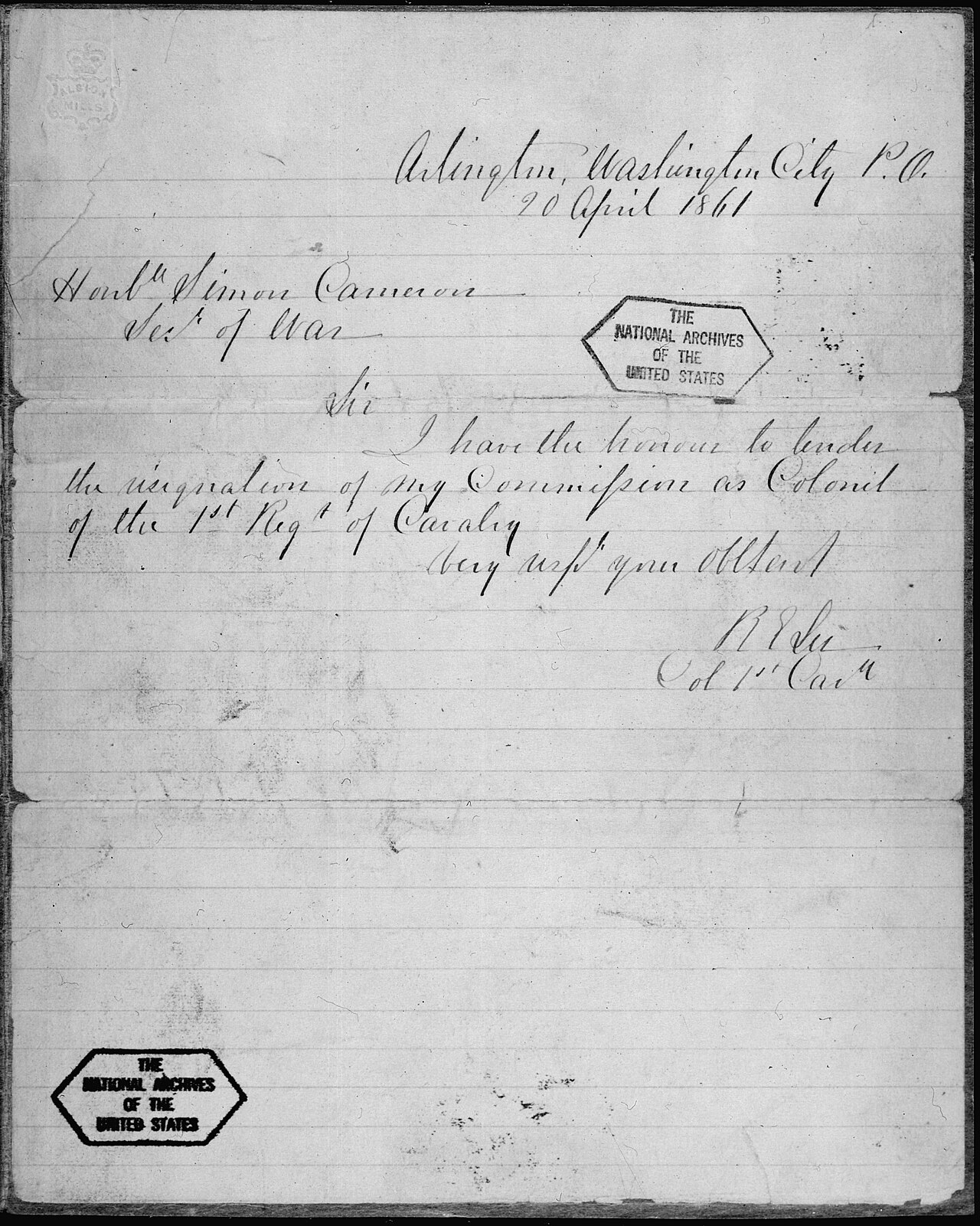
Past midnight on April 20, 1861, at Arlington, the mansion on a hill across the Potomac from Washington, Mary Lee sat downstairs listening to her husband's footsteps cross the bedroom floor above. Two days earlier, Colonel Robert E. Lee had turned down command of the Union's army. Now he had to decide whether he could stay in that army at all.
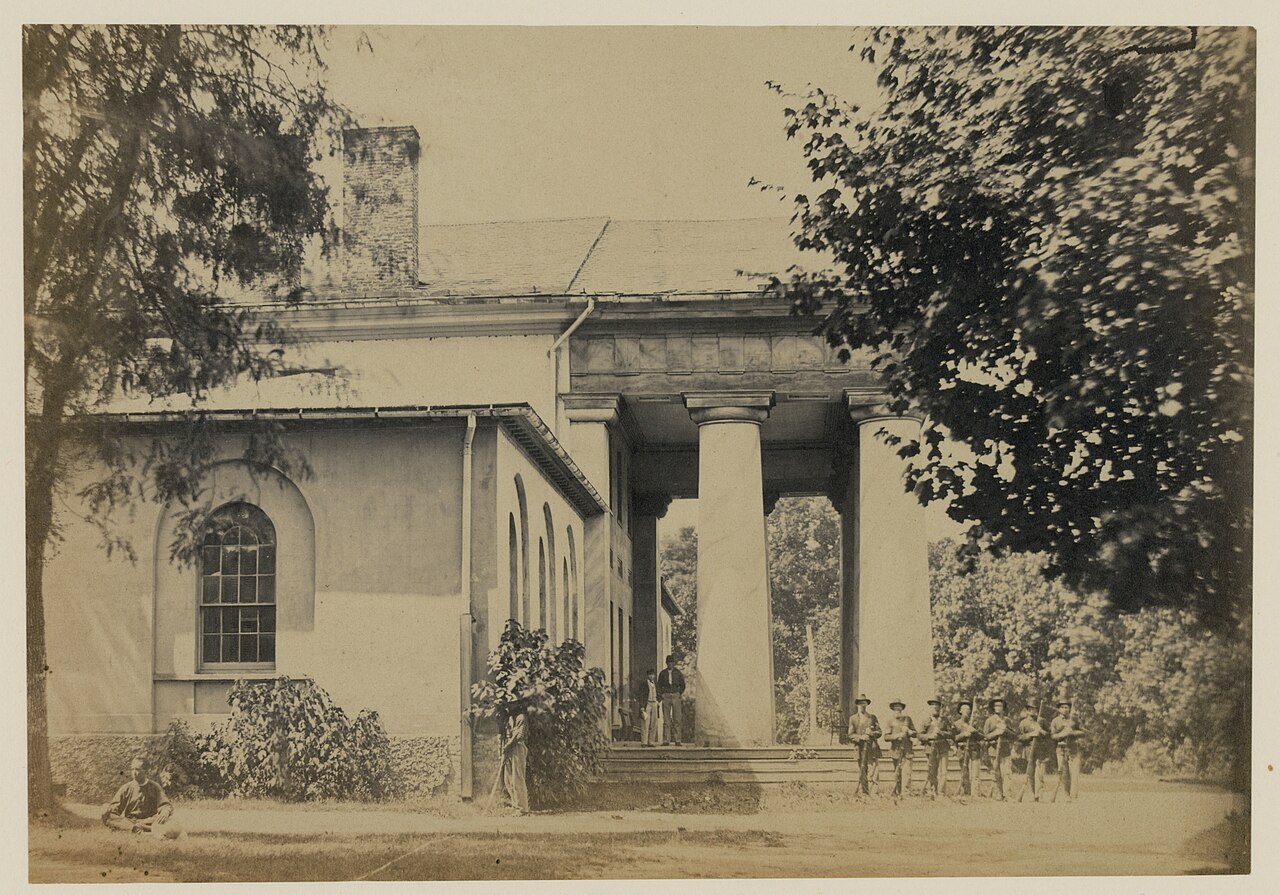
The house was not even his. Mary Lee was Martha Washington's great-granddaughter, and her father had built Arlington as a memorial to George Washington, filled with his relics. It was also a plantation worked by enslaved people. Her father's will freed them within five years of his 1857 death; as executor, Lee kept them working to clear the estate's debts, and Wesley Norris, who ran and was caught, later said Lee had him whipped.
Lee had called secession "nothing but revolution," but everything hung on Virginia. On April 18, Francis Preston Blair, authorized by Lincoln, offered him command of the great army about to take the field. Lee said no. General Winfield Scott reportedly told him, "Lee, you have made the greatest mistake of your life." On April 19, Lee learned in Alexandria that Virginia had seceded; paying a bill, he told the druggist, "I am one of those dull creatures that cannot see the good of secession," and the druggist wrote it down. As a U.S. colonel he could be ordered at any hour to invade his own state. Sometime after midnight he wrote a one-sentence resignation to the Secretary of War, came downstairs and said, "Well, Mary, the question is settled." An enslaved man, Perry Parks, carried the letters into Washington.
To his young cousin, Lieutenant Roger Jones, Lee wrote, "I can give you no advice. I merely tell you what I have done that you may do better." Two nights before, Jones had burned the federal arsenal at Harpers Ferry rather than let Virginia militia take it. He stayed with the Union, and today he lies buried at Arlington.
Lee never came home again. On May 15, Mary Lee handed the keys to Selina Gray, the enslaved housekeeper, and left. When Union soldiers broke into the cellar where Washington's heirlooms were stored, Selina Gray went to General Irvin McDowell, who sent the rest to the Patent Office; among the treasures saved were George Washington's own Revolutionary War tents.
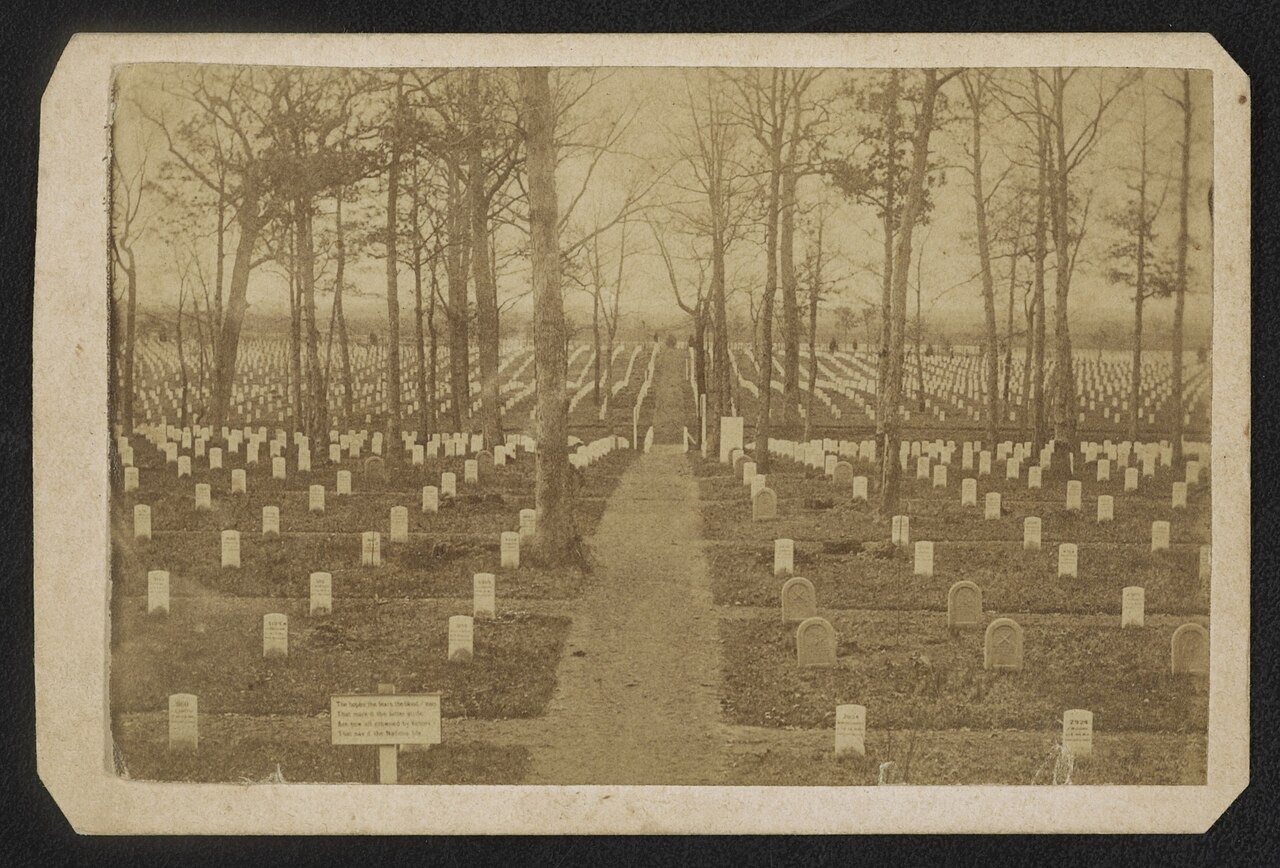
Then came the tax: $92.07, to be paid in person. The commissioners refused a cousin's payment, and in January 1864 the United States bought Arlington at auction as the only bidder. That spring, with Washington's cemeteries full, Quartermaster General Montgomery Meigs chose Arlington, and by August Union graves ringed Mrs. Lee's rose garden. In 1882 the Supreme Court ruled five to four that the tax sale was illegal. Lee's son Custis sold the estate back to the government for $150,000, and the Secretary of War who closed the deal was Robert Todd Lincoln.
Further reading
- Baltimore and the Nineteenth of April, 1861: A Study of the War, by George William Brown
- On Hallowed Ground: The Story of Arlington National Cemetery, by Robert M. Poole
- R. E. Lee: A Biography, Vol. 1, by Douglas Southall Freeman
As an Amazon Associate I earn from qualifying purchases.
Sources
- Lee's letters of April 20, 1861: resignation to Secretary of War Simon Cameron (National Archives); to Winfield Scott, his sister Anne Marshall and Roger Jones (NPS Arlington House; USMA Library)
- Lee to Reverdy Johnson, February 25, 1868; Lee to Wade Hampton, June 1868 (via Freeman)
- National Park Service, Arlington House: Lee's resignation, the Lees leaving Arlington, Selina Gray, Lee and slavery, the 1858 Custis inventory, cemetery history
- Wesley Norris's account, National Anti-Slavery Standard, 1866 (via NPS)
- Arlington National Cemetery, history pages
- United States v. Lee, 106 U.S. 196 (1882); Judge Advocate General, U.S. Military Reservations (1916)
- Cullum's Register of West Point graduates, no. 1527 (Roger Jones)
- Arlington House Foundation; Museum of the American Revolution (Washington's tent)