The Baltimore Plot of 1861: How Lincoln Slipped Past Assassins to Washington
Click to load the video from YouTube (privacy-enhanced mode). Or watch on YouTube ›
In February 1861, Abraham Lincoln's trip from Springfield to Washington was anything but secret. The President-elect traveled nearly two thousand miles in twelve days, and his timetable was printed in the newspapers. Anyone could know where he would be, almost to the minute. Seven Southern states had already left the Union, and in Baltimore, according to the detectives watching them, a band of men had sworn that Lincoln would die when his train reached their city.
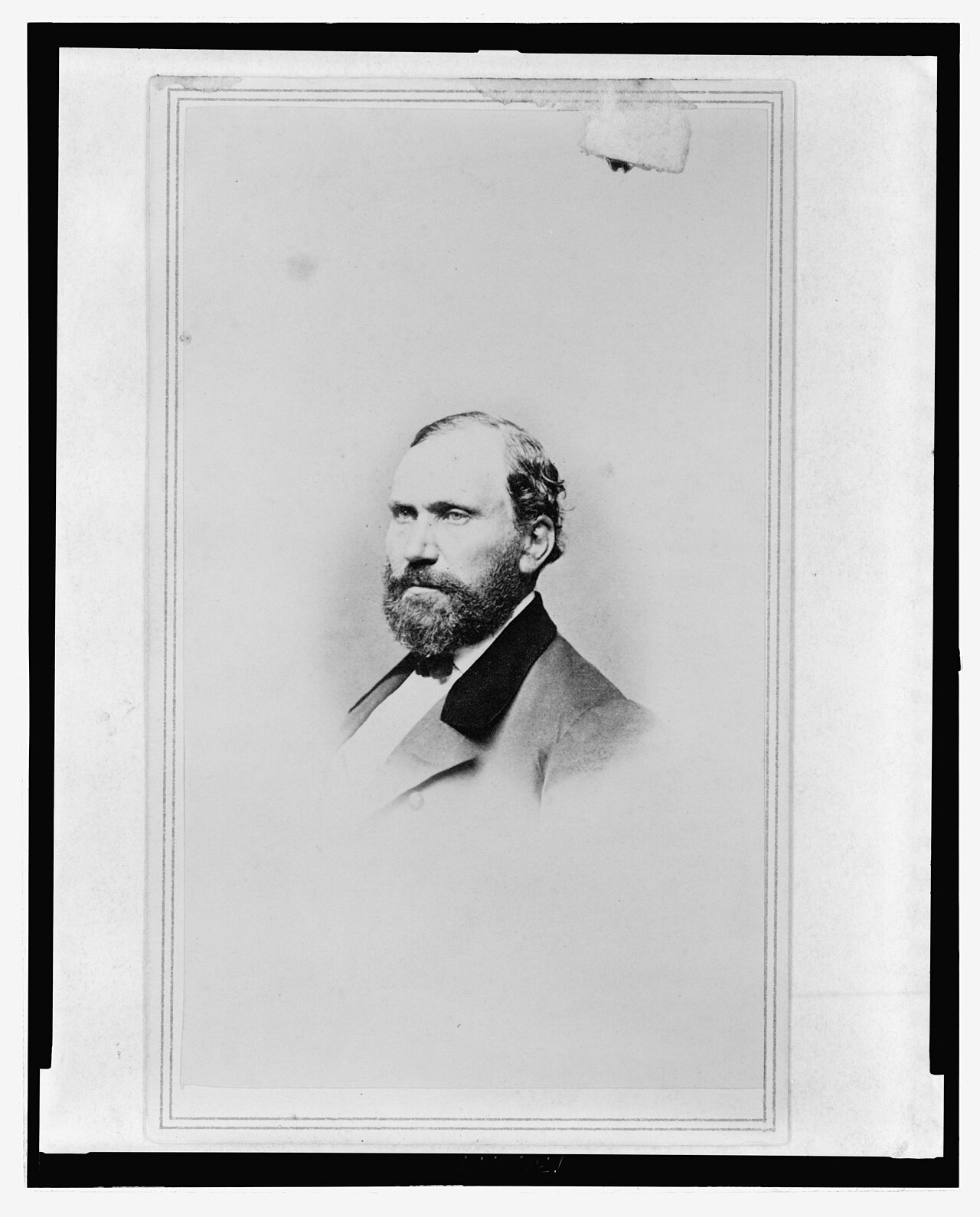
The detective was Allan Pinkerton, hired by railroad president Samuel Felton to guard his line. Posing as a Southern stockbroker, Pinkerton and his agents worked Baltimore's saloons and hotels. One name kept surfacing: Cypriano Ferrandini, a Corsican-born barber at Barnum's Hotel. The plan, as Pinkerton's agents heard it, was to start a disturbance at Calvert Street Station and kill Lincoln in the confusion. Baltimore was a slaveholding port where Lincoln had won about two and a half percent of the vote, and because no rail line ran straight through the city, his announced plan put him in an open carriage, crossing town at midday for more than a mile.
On February 21, at Philadelphia's Continental Hotel, Pinkerton laid out the plot and urged Lincoln to leave that night. Lincoln refused; he had promised to raise a flag at Independence Hall and to speak in Harrisburg. Then Frederick Seward arrived with letters from his father and from General Winfield Scott: New York police detectives, working separately, had found the same danger. One warning might be rumor. Two investigations that knew nothing of each other were something else.
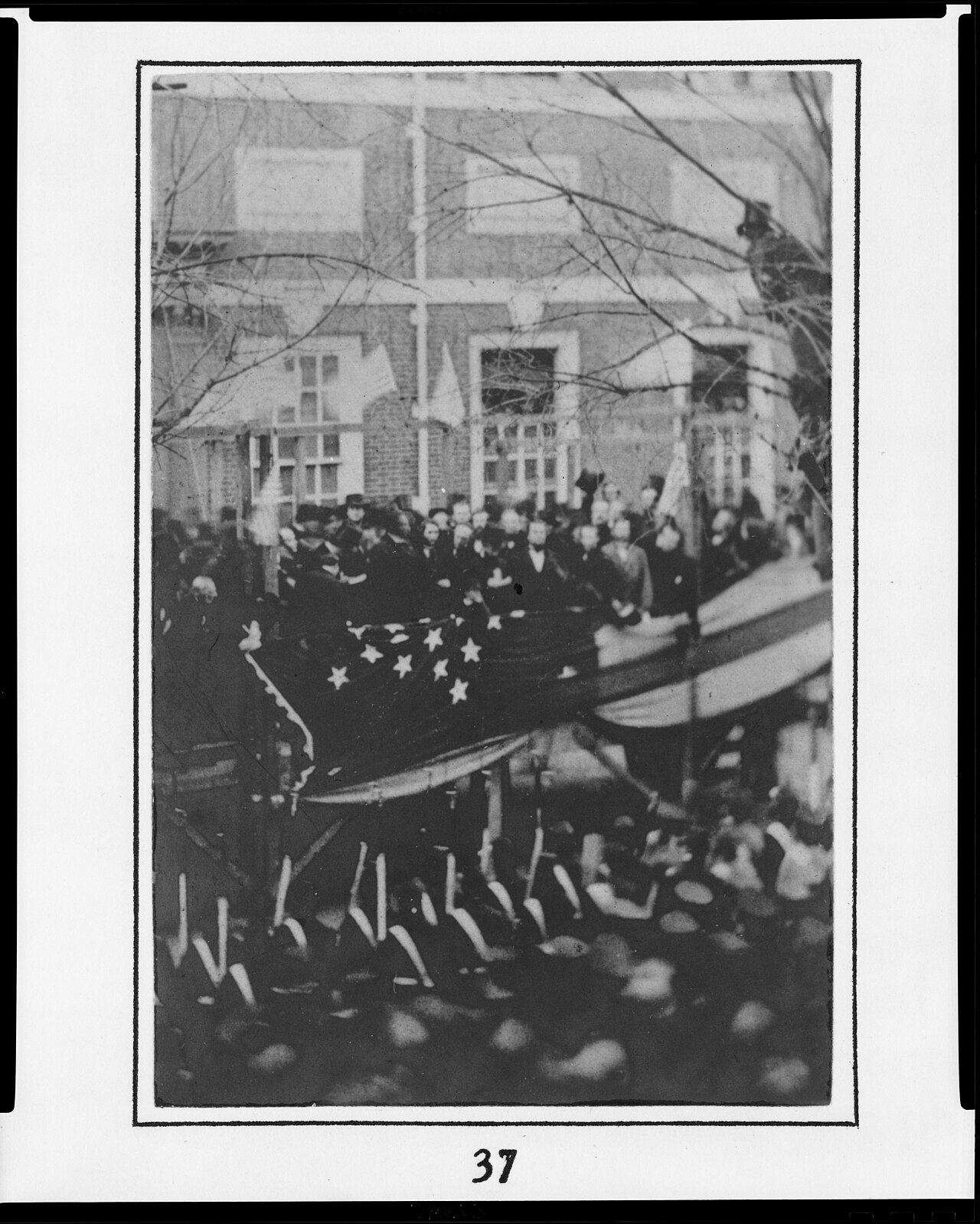
The next day, after raising a new 34-star flag at Independence Hall, Lincoln spoke to the Pennsylvania legislature, dined with Governor Andrew Curtin and excused himself around six. He slipped out a back door in an old overcoat and a soft wool hat, with only Ward Hill Lamon beside him. Behind them, a lineman grounded the telegraph wires south of Harrisburg so no one could warn Baltimore. In Philadelphia, the night train south was held for a "very important" sealed package, and in the sleeping car waited Kate Warne, often called America's first woman detective.
At 3:30 a.m. the car reached Baltimore's President Street Station. Horses hauled it about a mile along Pratt Street to Camden Station, where the connecting train ran late. Outside, a drunk sang "Dixie." At six, Lincoln was in Washington. The newspapers then made it worse: a New York Times reporter, Joseph Howard, wrote that Lincoln had escaped in "a Scotch plaid cap and a very long military cloak." Howard later admitted inventing it, but the cartoonists ran with it.
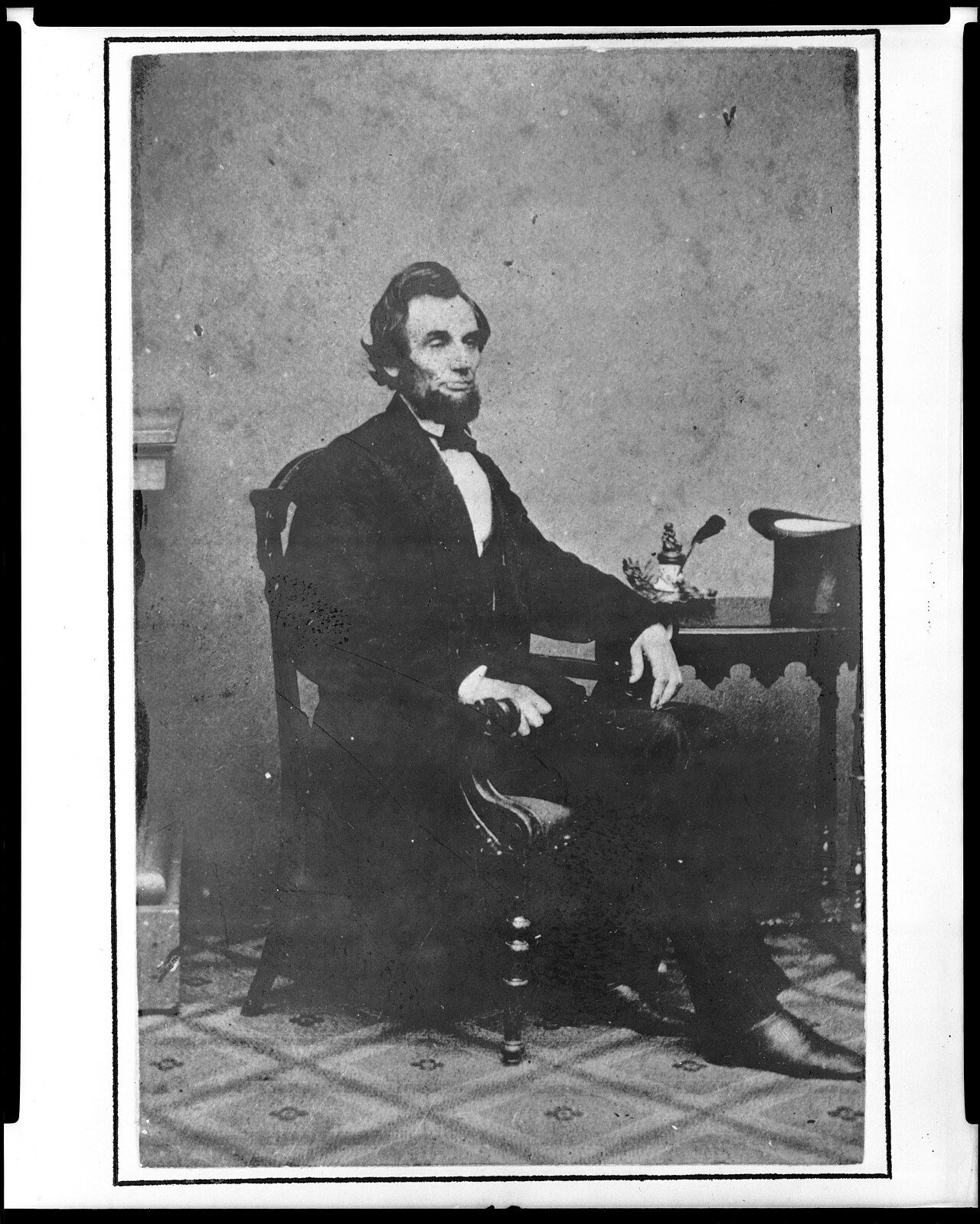
Was the plot real? Historians still argue. Pinkerton's evidence was largely barroom talk, and Lamon later called it a fiction. But two separate investigations warned Lincoln of the same danger, and he acted. On March 4, he took the oath of office beneath an unfinished Capitol dome.
Further reading
- History and Evidence of the Passage of Abraham Lincoln from Harrisburg to Washington, by Allan Pinkerton
- The Hour of Peril: The Secret Plot to Murder Lincoln Before the Civil War, by Daniel Stashower
As an Amazon Associate I earn from qualifying purchases.
Sources
- Collected Works of Abraham Lincoln, ed. Roy P. Basler, Vol. 4
- The Lincoln Log (day-by-day chronology, Feb. 1861)
- Smithsonian, "The Unsuccessful Plot to Kill Abraham Lincoln" (2013)
- White House Historical Association, "Spies, Lies and Disguise"
- National Park Service: Lincoln Home NHS (Inaugural Journey) and Fort Sumter NM
- Ted Widmer, "Like a Thief in the Night," NYT Disunion (2011); Lincoln Lore (1956), on the Scotch-cap fabrication
- Further reading: Michael J. Kline, The Baltimore Plot (2008); Ward Hill Lamon, The Life of Abraham Lincoln (1872)