The Battle of Fort Sumter (1861): 34 Hours, No One Killed, Then a Fatal Salute
Click to load the video from YouTube (privacy-enhanced mode). Or watch on YouTube ›
The Civil War began with a bombardment that killed no one. For thirty-four hours in April 1861, Confederate batteries fired more than three thousand shells at Fort Sumter in Charleston Harbor. Its defenders, short of cartridge bags, sewed new ones from shirts, blankets and hospital sheets, and one soldier later wrote that they "fired away several dozen pairs of woolen socks belonging to Major Anderson." When it was over, not one man on either side had been killed. The first deaths came the next day, and no enemy fired the shot.
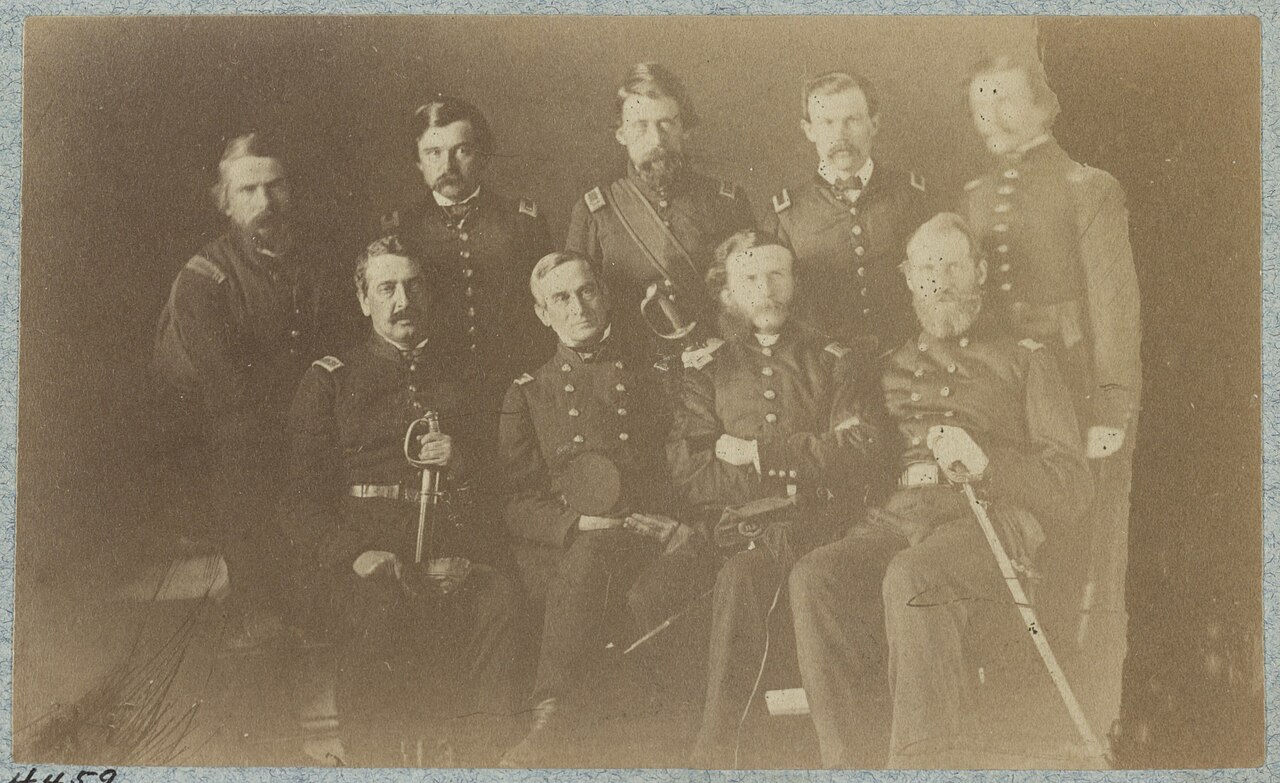
Major Robert Anderson was a Kentuckian who wrote that his sympathies were "entirely with the South." That is exactly why Washington picked him to command Charleston's forts. But his oath came first. The day after Christmas 1860, six days after South Carolina seceded, he moved his garrison by night from Fort Moultrie to unfinished Fort Sumter, built for 135 guns and 650 men but holding about 85 soldiers and 15 mounted guns.
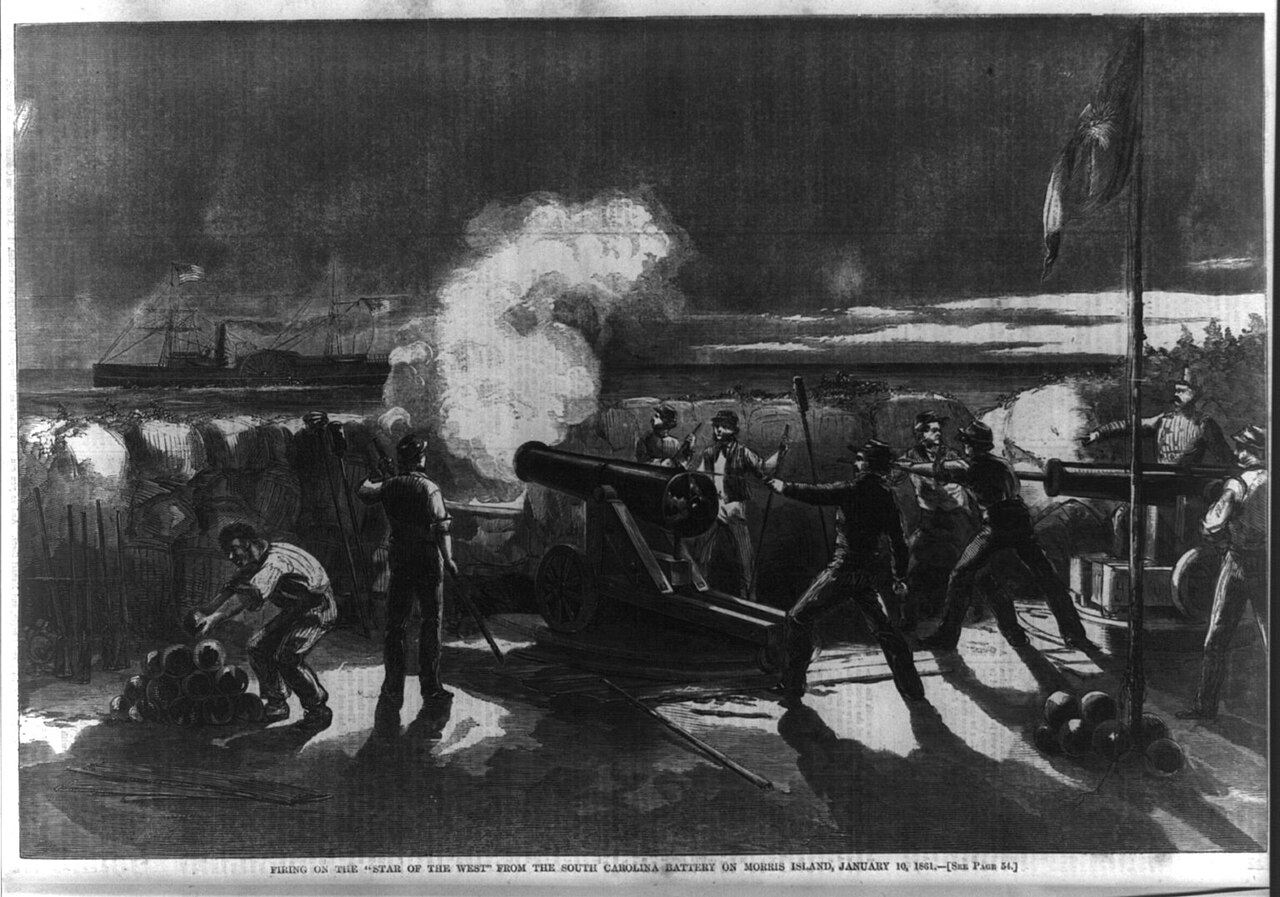
History mostly forgets the shots of January 9, 1861, when Citadel cadets on Morris Island fired on the unarmed steamer Star of the West as it tried to bring in two hundred hidden soldiers. Sumter's guns stayed silent, and the ship turned back. By March, the Confederate commander across the harbor was P.G.T. Beauregard, who had learned artillery at West Point from Anderson himself. Lincoln chose to send food, not soldiers, but his most powerful warship, the Powhatan, was diverted to Florida by secret orders, and the relief fleet never crossed the bar.
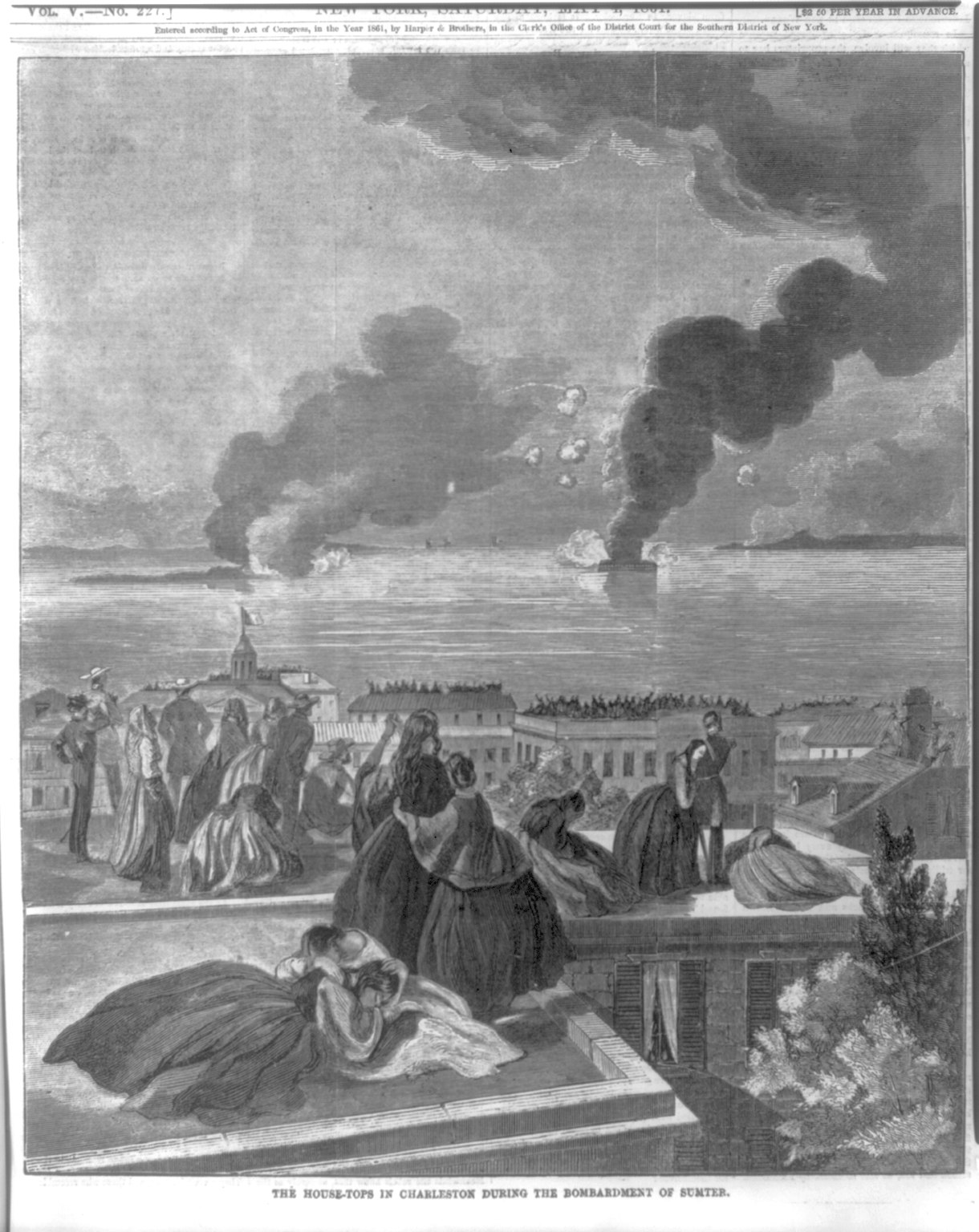
At Fort Johnson, Virginia firebrand Roger Pryor was offered the honor of firing the first gun and declined. At 4:30 a.m. on April 12, a signal shell from Fort Johnson burst over Sumter. (Edmund Ruffin, long given the credit, fired one of the first shots, from Cummings Point.) Charleston climbed onto its rooftops to watch. On the second day, red-hot shot set the barracks ablaze; Peter Hart nailed the fallen flag to a makeshift pole under fire, and former Texas senator Louis Wigfall rowed out, unauthorized, with a white handkerchief tied to his sword to offer terms. Across the water, Confederate gunners climbed their parapets and cheered each shot Sumter managed to fire back.
Anderson's one condition was a salute to his flag. On Sunday, April 14, partway through the planned hundred guns, a spark set off a charge as Private Daniel Hough, an Irish immigrant, was ramming it home. He was killed almost instantly, and Private Edward Galloway was mortally wounded. Confederate soldiers helped bury Hough with military honors. Anderson kept the flag, and four years later to the day he raised it again over the ruins of Sumter, on the night Lincoln was shot at Ford's Theatre.
Further reading
- Battles and Leaders of the Civil War, Vol. 1: The Opening Battles, by Robert U. Johnson & Clarence C. Buel, eds.
- Reminiscences of Forts Sumter and Moultrie in 1860-'61, by Abner Doubleday
As an Amazon Associate I earn from qualifying purchases.
Sources
- Official Records, Series I, Vol. 1: Anderson's dispatches, Capt. J. G. Foster's engineer journal, and Ripley's report
- J. G. Foster, "Sketch showing position of besieging batteries, April 12-13, 1861" (Library of Congress)
- James Chester, "Inside Sumter in '61"; Stephen D. Lee, "The First Step in the War" (both in Battles and Leaders, Vol. 1, below)
- Benson J. Lossing, Pictorial History of the Civil War, Vol. 1 (1866)
- Mary Boykin Chesnut, diary, April 1861
- National Park Service: Fort Sumter Historical Handbook No. 12 (Frank Barnes); Five Flags Over Fort Sumter; Fort Sumter and Fort Moultrie NHP
- U.S. Naval Institute, Naval History; American National Biography and House Divided (Dickinson College); Papers of Abraham Lincoln; The Citadel