The Battles of Philippi and Big Bethel (June 1861): The Civil War's First Land Battles
Click to load the video from YouTube (privacy-enhanced mode). Or watch on YouTube ›
As a young man, Connecticut writer Theodore Winthrop ended a poem with the line "In my first battle perish gloriously." In June 1861 he got his first battle, and his wish was granted. That month brought some of the Civil War's first land battles, small, confused and deadly.
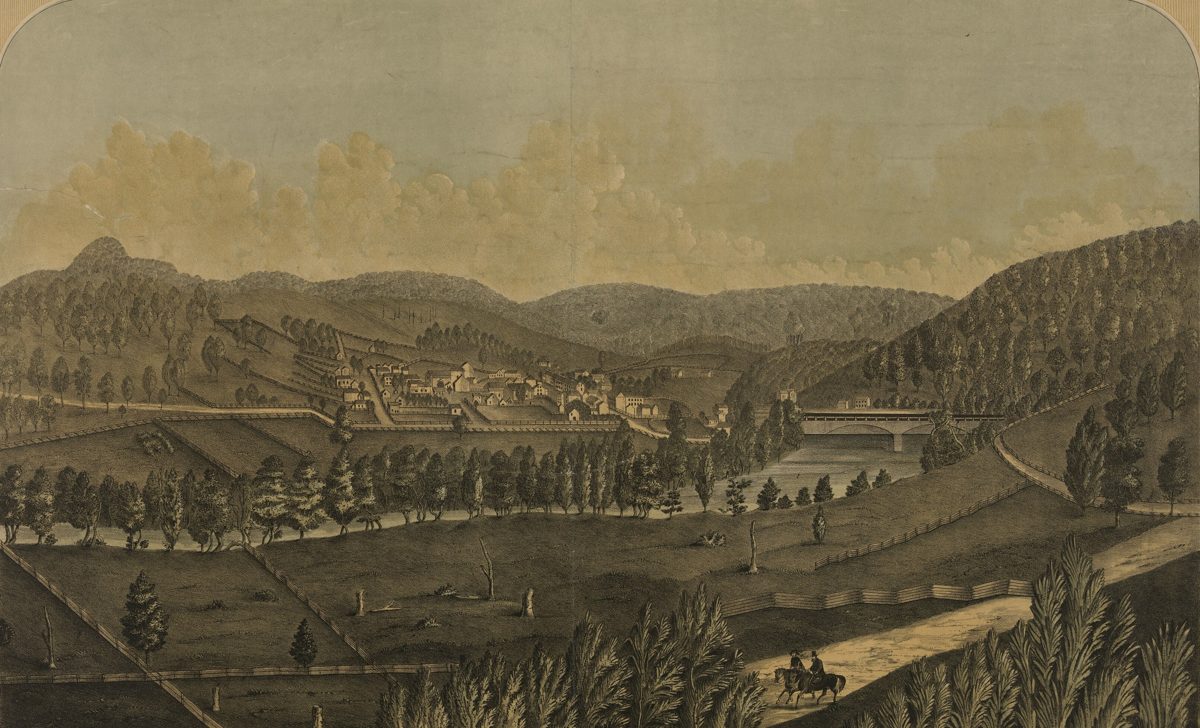
In western Virginia, much of the northwest had voted against secession, and through its hills ran the Baltimore and Ohio Railroad. After Confederates burned two of its bridges, General George McClellan sent troops across the Ohio River. By early June about three thousand were closing in on Philippi, where Colonel George Porterfield had some eight hundred raw recruits. The Union plan was a pincer: Colonel Benjamin Kelley would circle behind the town, Colonel Ebenezer Dumont would come in from the north, and both would strike at 4 a.m. at the signal of a pistol shot. Both columns marched through a storm so dark that some men fainted on the road. The story goes that a local woman, Matilda Humphries, fired a pistol to warn the Confederates, and the Union troops took it for their signal and attacked early. Kelley's column came in on the wrong road, and Kelley was shot in the chest; he survived and became a general. The Confederates did not stop running until Huttonsville, about fifty miles away, and Northern papers called it the "Philippi Races."
One of the few casualties changed medicine. James Hanger, eighteen, had joined a Confederate cavalry company days earlier; a Union cannonball shattered his leg in a barn, and a Union surgeon amputated it. Back home, he shut himself in his room and months later walked downstairs on a leg he had carved from barrel staves, hinged at the knee. The company he founded, now Hanger, Inc., still makes artificial limbs.
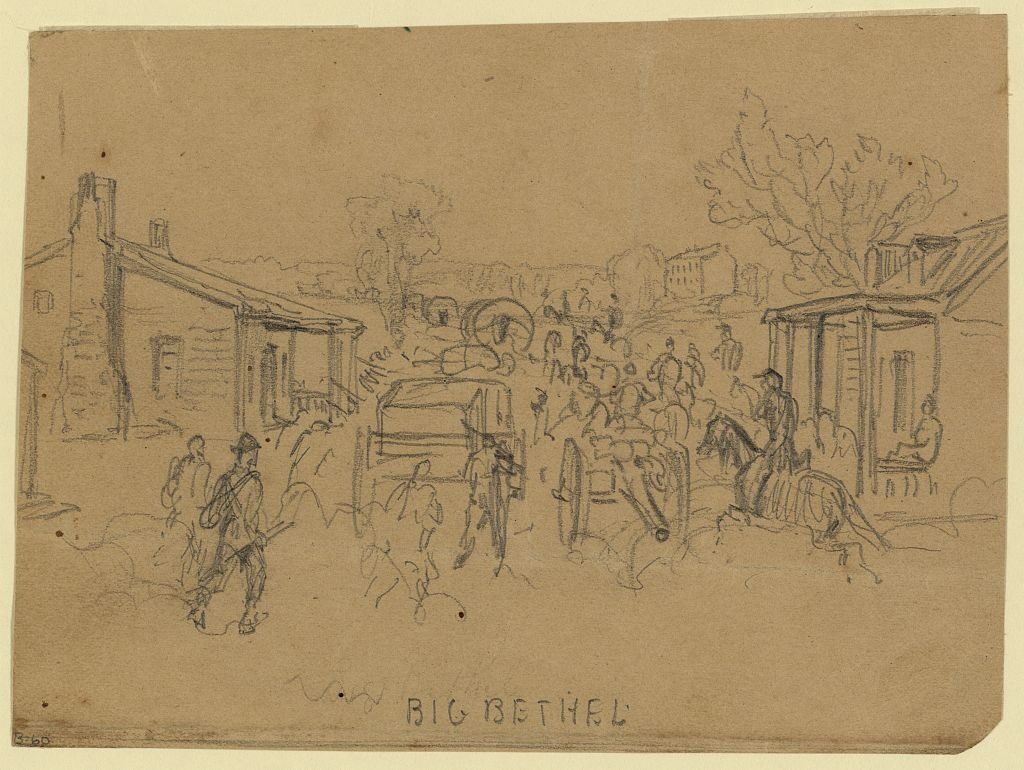
A week later, near Fort Monroe, General Benjamin Butler wanted a victory of his own. Two columns would march at night and attack Colonel John Magruder's Confederates at dawn near Little Bethel and Big Bethel churches. The Third New York wore gray uniforms, and was ordered to wear white on their arms, but, according to an 1866 history, no one warned the other column. In the half-light of June 10, the Union column from Newport News opened fire on them with muskets and a cannon. Butler later called it an "almost criminal blunder." The surprise was ruined, and the tired Union troops attacked the Big Bethel earthworks across open ground, one regiment at a time.
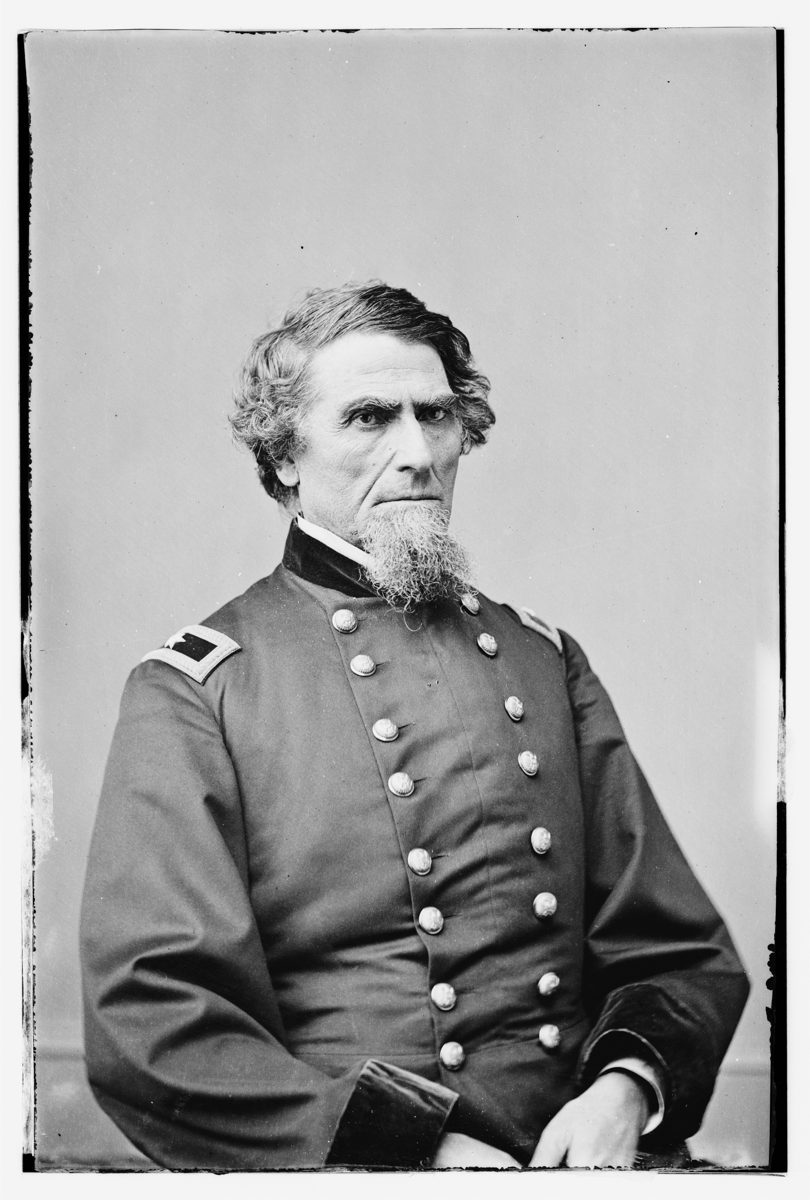
Late in the fight, Winthrop jumped onto a fallen tree, waved his sword, shouted "Come on!" and was shot dead. North Carolina's Henry Lawson Wyatt, nineteen, was killed trying to burn a house sheltering Union soldiers, and Lieutenant John Greble, covering the retreat with his cannon, became the first West Point graduate killed in the war. The Union lost seventy-six men killed, wounded or missing; the Confederates lost eight, only one of them killed.

Further reading
- The Glories of War: Small Battles and Early Heroes of 1861, by Charles P. Poland Jr.
- Big Bethel: The First Battle, by John V. Quarstein
As an Amazon Associate I earn from qualifying purchases.
Sources
- The War of the Rebellion: Official Records of the Union and Confederate Armies, Ser. I, vol. 2 (reports of Gen. Thomas A. Morris, Col. Ebenezer Dumont, Col. George A. Porterfield and Maj. Gen. Benjamin F. Butler)
- American Battlefield Trust, "Philippi" and "Big Bethel"; National Park Service battle summaries WV001 (Philippi) and VA003 (Big Bethel)
- e-WV: The West Virginia Encyclopedia, "Battle of Philippi" and "James Edward Hanger"; Hanger, Inc., company history
- Library of Virginia and West Virginia University Libraries, the Wheeling Conventions of 1861
- Benson J. Lossing, Pictorial History of the Civil War in the United States of America (1866)
- Judith Ann Schiff, Yale Alumni Magazine (2011); Theodore Winthrop, Life in the Open Air, and Other Papers (1863); The Atlantic Monthly (1861)
- NCpedia, "Wyatt, Henry Lawson"; New York State Military Museum unit histories
- National Park Service, Civil War Defenses of Washington (Fort Greble) and Fort Monroe National Monument
- Homer B. Sprague, History of the 13th Infantry Regiment of Connecticut Volunteers (1867)
- Gosport Navy Yard: Official Records of the Union and Confederate Navies, Ser. I, vol. 4